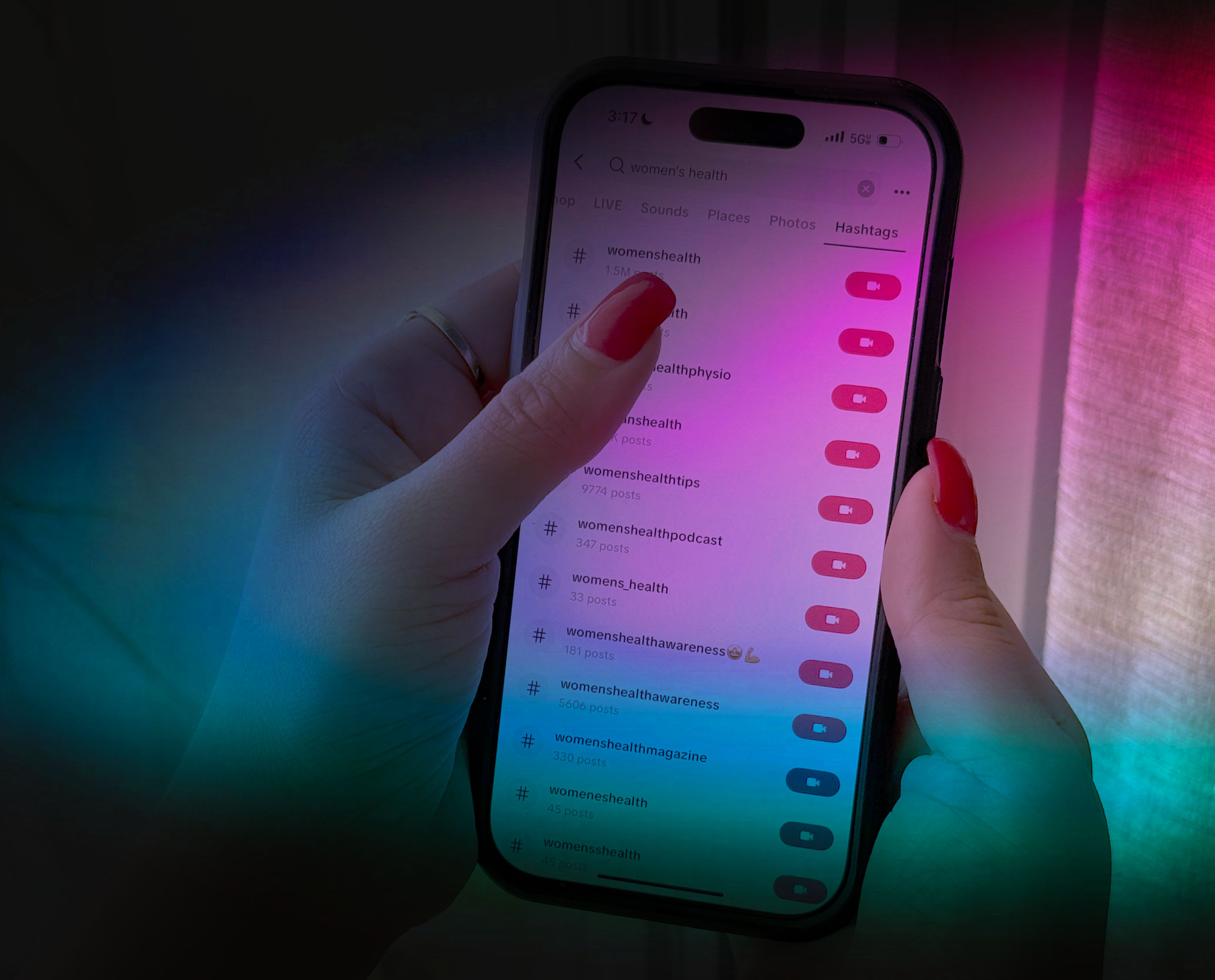

An unmade bed. A trusty heating pad. Painkillers on deck. The desperation that comes with unending menstrual cramps or other female health ailments attracts millions of women to TikTok everyday. After all, 60% of TikTok users are female. A TikTok search for the hashtag #womenshealth turned up 1.5 million results in early August 2025. The quick-hit video platform has become a modern-day apothecary for those seeking fertility, pregnancy, menstrual, and menopause treatments. Unfortunately for those in pain and discomfort, TikTok videos can be unreliable sources of information. Nonetheless, consumers stampede to the platform for answers—even more so if they are younger. Gen Z is even more likely to turn to TikTok and Instagram than Google, especially when looking up local businesses, SOCi found.
So why do any of us trust influencers?
With the rise of micro-influencers over mega ones, the perception of “authenticity” counts more than ever. Yet consumers still care about an influencer’s follower count and reputation, per research from Social Sprout. They are even more likely to trust an influencer than a celebrity…no matter the niche or cause.
As Rose Dimitroyannis, a University of Chicago medical student, said in a 2024 university news article on TikTok health influence: “Every type of ‘Tok’ exists—that’s just how the internet works. Little tiny segments of the population find one another and make waves.”
Let’s say a Gen Z woman has been diagnosed with the hormonal disorder Polycystic Ovary Syndrome (PCOS) and wants to find solidarity and even cures. Cue to her scrolling TikTok, manga-size sweat droplets dripping down her face. As of the publication of this article, #PCOS pulls up 1.2 million videos on TikTok. Influencers range from healthcare professionals, including registered dieticians, to people seemingly most interested in making a quick buck.
“A lot of [influencers] make claims about the benefits that cannot be backed up–especially the benefits of probiotics,” says Margaret Quinlan, professor of Communication Studies at the University of North Carolina-Charlotte, in an email to Quail Bell.
Last year, the BBC World Service monitored #PCOS TikTok and Instagram videos to look for cases of misinformation. Half of the videos tracked in September 2024 shared false information.
This matters because people don’t just watch TikTok videos; they spend money directly on the platform as a result of what they see and hear. Women are more likely than men to take action after watching a TikTok video, according to a 2024 Disqo report. That includes a 9% higher likelihood of making a purchase after a TikTok view, with Gen Z taking the spending lead on TikTok Shop.
Quinlan and her research partner, Bethany Johnson, have been studying TikTok videos about women’s health since 2022. Last year the duo published an article in the journal Medical Humanities about the stress, shame, and disordered eating that could come from taking the advice of TikTok postpartum influencers. Prior to their TikTok endeavor, Johnson and Quinlan co-authored the book You’re Doing it Wrong! Mothering, Media, and Medical Expertise (Rutgers University Press).
In tracking TikTok videos about menopause, Quinlan and Johnson found not just misinformation but shame and negativity from influencers selling supplements.
“While menopause does involve symptoms, an overemphasis on negative aspects without balancing it with discussions of post-menopausal life, empowerment, or effective management can create a perception that it’s solely a decline or an illness,” says Quinlan.
She also notes the over-emphasis on personal experiences in TikTok videos about fertility. This is in contrast to scientific studies.
As the saying goes, if it looks too good to be true, it probably is—even if the attractive woman on your cell phone screen has bestie vibes and the perfect lighting setup.
“Calling supplements ‘magic’ or ‘the truth’ without scientific basis can mislead users into believing in unrealistic outcomes,” says Quinlan.
Quail Bell’s advice? As fun as it may be, TikTok cannot replace doctor’s visits. Always approach TikTok as entertainment first. Watch videos with skepticism and seek advice from licensed medical providers. Scroll for dance moves, not fertility treatments.


Leave a Reply